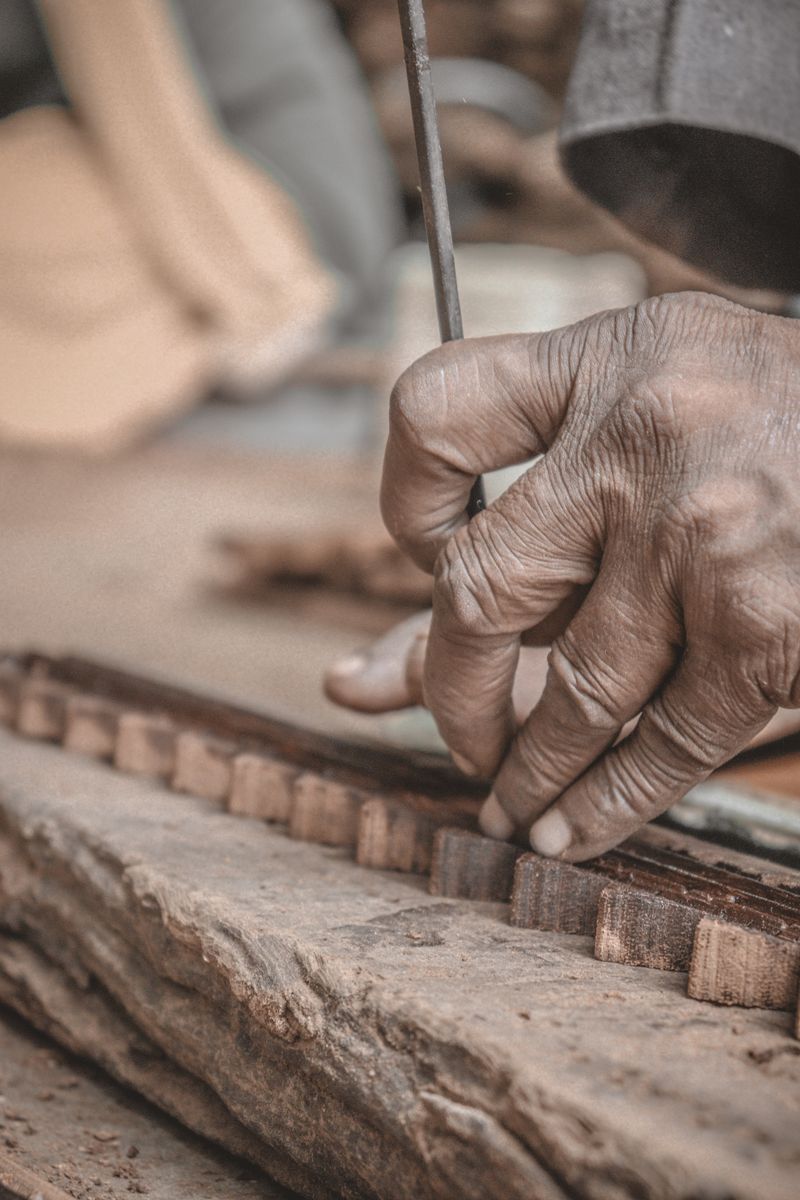
1–3 · Dressing the hair
Raw hair arrives graded but not usable. It is combed to remove short and broken hair, then reversed so every tip points the same way — hair has a root and a tip and a brush made from a mixed bundle will never point. Finally it is drawn into a cannon, a small brass tube that gathers the bundle into the shape the finished head will take.
A dresser is the longest apprenticeship in the works. Ours take about two years before they dress Kolinsky unsupervised.
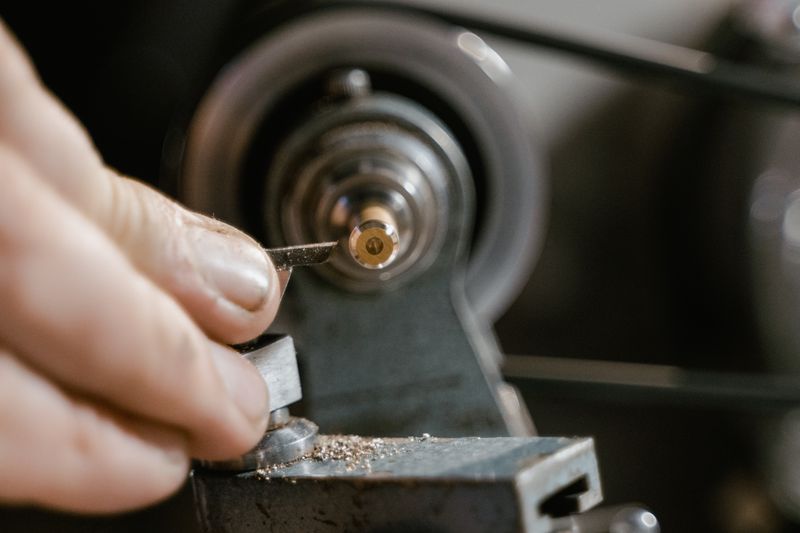
4–6 · Tying and setting
The bundle is bound at the base with waxed thread, tied off, and the tension of that tie decides more about the finished brush than any other single act. Too loose and the head splays; too tight and the belly loses its load. It is done by feel, and it is why the same reference tied by two people is not quite the same brush.
The tied bundle is then set in resin, base down, and cured. Nothing above the glue line is ever touched by adhesive.
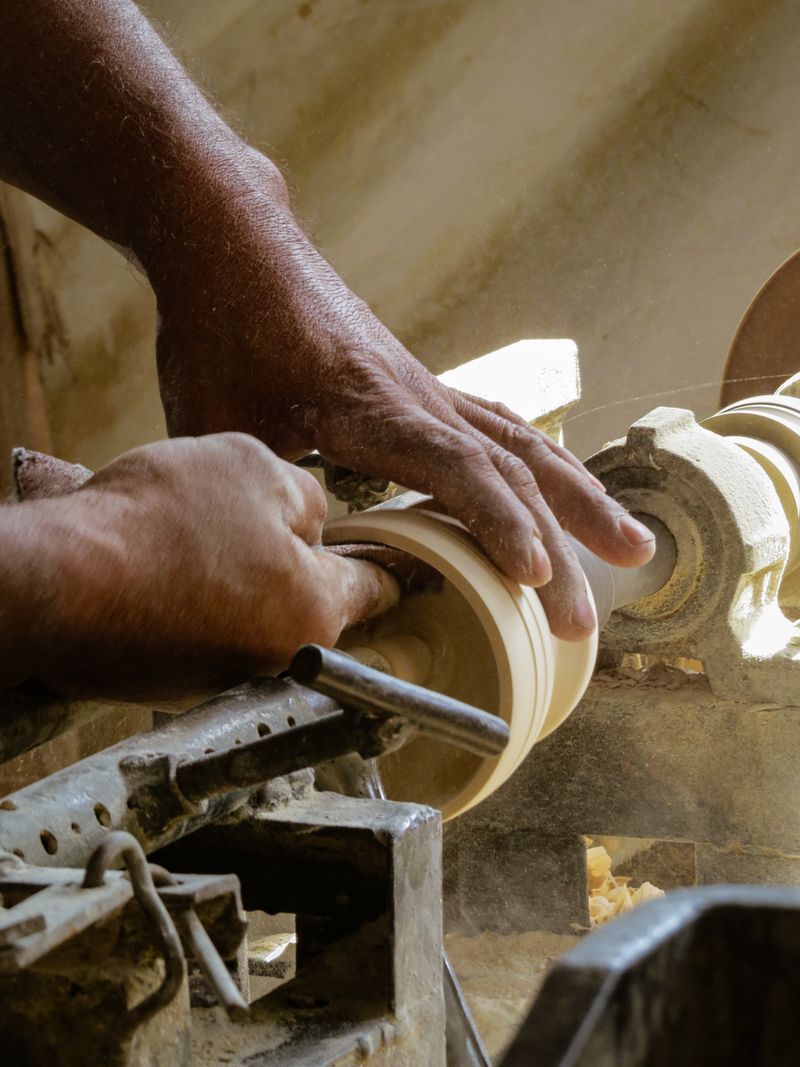
7–9 · Handles and ferrules
Handles are turned from English birch on two automatic lathes — a machine holds a profile to a tenth of a millimetre all day and a person does not. They are then dipped, cured and dipped again, seven coats, and the last is done by hand because the meniscus at the ferrule end shows.
Ferrules are drawn seamless in nickel or double-crimped in brass depending on the series.
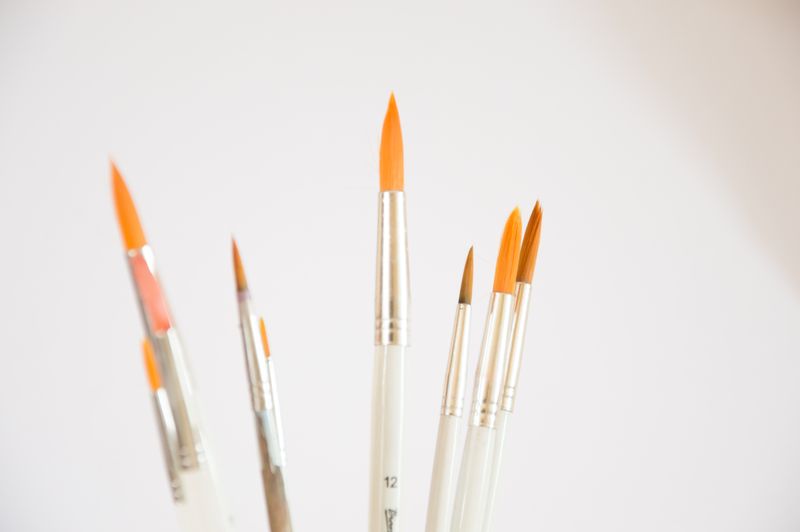
10–11 · Crimping and test
Head and handle are brought together and the ferrule is crimped twice, at ninety degrees. Then every Kolinsky head — every one, not a sample — is wetted at the bench, loaded, and drawn once across the back of a hand. If the point does not return, the head goes back to the dressing tray and the hair is reused.
About one in eleven fails at this stage. On the synthetic series it is closer to one in forty, and there we test to a sampling plan rather than individually.